How Metal Roofing Improves Energy Efficiency
Energy efficiency has become a top priority for property owners, contractors, and building managers. Rising energy costs, increased awareness of environmental impact, and stricter building codes make energy-efficient roofing solutions more critical than ever. Among the various roofing materials available, metal roofing stands out for its ability to improve energy performance in both residential and commercial buildings. Understanding how metal roofing contributes to energy efficiency allows property owners and contractors to make informed decisions that reduce energy consumption, lower utility costs, and extend the lifespan of the roof.
The Role of Roofing in Building Energy Efficiency
The roof is one of the most significant components of a building when it comes to energy use. It directly affects heating, ventilation, and cooling needs by influencing how much heat is absorbed or reflected. Traditional roofing materials, such as asphalt shingles, absorb heat, causing the interior of the building to warm more quickly during hot weather. This can increase reliance on air conditioning systems, raising energy costs and adding strain to HVAC equipment.
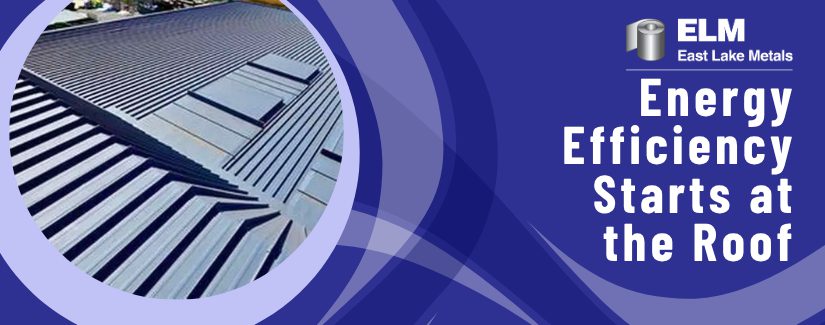
Metal roofing differs from conventional materials because it can reflect a larger portion of solar radiation and conduct heat more effectively. Reflective surfaces reduce the amount of heat transferred into the building, helping to maintain a stable interior temperature. This natural ability to reduce heat gain is particularly valuable in warm climates, commercial facilities with large roof areas, and residential buildings seeking to optimize energy performance.
In addition to reflecting sunlight, metal roofs often have lower thermal mass compared to materials such as concrete or clay tiles. This means they heat up and cool down more quickly, reducing the duration of heat transfer to the building interior. The combination of solar reflectance, thermal conductivity, and durability makes metal roofing a powerful tool for improving overall energy efficiency.
How Metal Roofing Reduces Energy Consumption
Metal roofing improves energy efficiency through several mechanisms:
Reflectivity and Solar Heat Management
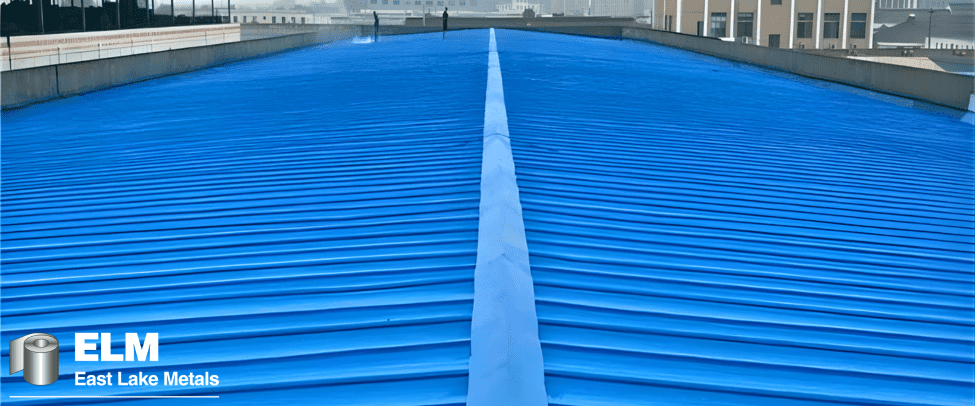
One of the most important features of metal roofing is its high solar reflectivity. Many metal panels are prepainted with reflective coatings designed to bounce sunlight away from the roof surface. These coatings reduce heat absorption, helping to lower indoor temperatures during hot weather. Reflective metal roofs can reduce cooling costs by 10 to 25 percent compared to traditional dark roofing materials.
The reflectivity of metal roofing also helps reduce the urban heat island effect in densely populated areas. By reflecting sunlight rather than absorbing it, metal roofs contribute to cooler surrounding environments, reducing the overall energy demand for nearby buildings and improving community-wide energy efficiency.
Insulation and Energy Performance
Metal roofs are often installed over layers of insulation or with integrated thermal barriers. These systems enhance energy performance by slowing the transfer of heat into and out of the building. In cold climates, properly insulated metal roofing helps retain heat during winter months, reducing the need for supplemental heating. In warm climates, it minimizes cooling loads and improves occupant comfort.
Some metal roofing systems are designed with air gaps or ventilated panels to promote natural airflow. These ventilation features allow heat to dissipate before it reaches the building interior, further improving energy efficiency and extending the lifespan of the roof.
Durability and Longevity
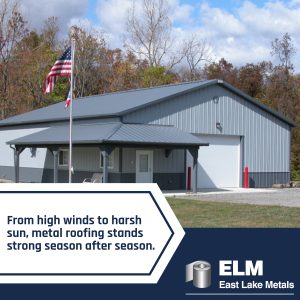
Energy efficiency is not limited to thermal performance. Long-lasting roofing materials reduce environmental impact and energy use associated with frequent replacements. Metal roofs are highly durable, resistant to cracking, warping, and fading, which means they maintain their energy-efficient properties over decades. Unlike other materials that may degrade or require repainting and replacement, metal roofing provides consistent performance over its lifespan, delivering long-term energy savings.
Key Features of Energy-Efficient Metal Roofing
Several features make metal roofing a reliable solution for energy-efficient buildings.
Reflective Coatings and Paint Systems: Advanced coatings, such as PVDF or other high-performance finishes, enhance solar reflectivity and reduce heat absorption. These coatings maintain color and surface integrity over time, ensuring consistent energy performance.
Cool Roof Standards Compliance: Many metal roofing products are certified to meet ENERGY STAR or Cool Roof Rating Council standards. Compliance with these programs provides verification of energy-saving potential and can help property owners qualify for rebates, incentives, or green building certifications.
Recyclability and Environmental Impact: Metal roofing is highly recyclable, which supports sustainability and reduces the energy used in producing new materials. Using recycled metal panels also decreases the overall carbon footprint of construction projects while maintaining energy-efficient performance.
Benefits of Energy-Efficient Metal Roofing:
- Reduced heating and cooling costs through solar reflectivity and thermal performance
- Lower environmental impact due to recyclability and long lifespan
- Compliance with energy efficiency standards for residential, commercial, and industrial buildings
Applications Across Building Types
Energy-efficient metal roofing is suitable for a wide range of building types, each benefiting from its performance attributes.
Residential Properties: Homeowners experience lower cooling and heating costs, more comfortable interior temperatures, and reduced maintenance needs. Reflective coatings and insulation options allow metal roofs to perform effectively in both warm and cold climates.
Commercial and Industrial Buildings: Facilities with large roof areas, such as warehouses, office buildings, and retail centers, gain significant energy savings. Reflective metal panels reduce cooling loads, help maintain consistent indoor temperatures, and support sustainable building practices.
Institutional and Agricultural Buildings: Schools, hospitals, municipal buildings, barns, and equipment storage benefit from energy-efficient roofing that maintains structural integrity and minimizes maintenance. Metal panels provide durability under high-exposure conditions while contributing to energy conservation efforts.
Installation and Design Considerations
Designing a metal roofing system for maximum energy efficiency requires careful consideration of panel selection, coatings, and insulation. Prepainted metal panels with reflective finishes provide optimal performance, while ventilated roof assemblies enhance airflow and heat dissipation. Roof pitch, color selection, and orientation also influence solar reflectivity and thermal performance.
Choosing the right combination of these elements ensures that the metal roofing system contributes fully to energy efficiency goals. By integrating reflective coatings, proper insulation, and panel design, property owners and contractors can create roofing systems that reduce energy consumption while maintaining long-term durability.
Long-Term Performance and Maintenance
Metal roofing maintains its energy efficiency over decades with minimal maintenance. Unlike other materials that may deteriorate, fade, or lose reflective qualities, high-performance metal panels retain their coatings and structural strength. Routine inspections and cleaning help preserve appearance and ensure that energy-efficient properties remain effective.
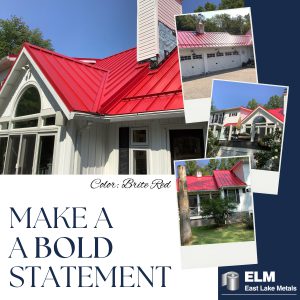
Durability, color retention, and coating stability are key factors in ensuring that energy savings continue year after year. This long-term performance reduces the total cost of ownership and supports sustainable building practices.
Key Considerations for Maximizing Energy Efficiency:
- Use reflective coatings designed for solar reflectance and thermal management
- Incorporate insulation or ventilated assemblies to enhance heat dissipation
- Select panel color, pitch, and orientation to optimize sunlight reflection
Economic and Environmental Impact
Energy-efficient metal roofing not only reduces utility costs but also supports sustainability goals. Lower energy consumption decreases greenhouse gas emissions associated with electricity generation. Recyclable materials and long service life reduce waste and minimize the need for frequent replacements.
Property owners may also benefit from incentives such as tax credits, rebates, or green building certifications. By investing in energy-efficient roofing, organizations and homeowners can reduce operational costs, contribute to environmental stewardship, and improve building value over time.
Achieving Long-Term Performance with East Lake Metals
Selecting the right materials and coatings is essential for achieving energy-efficient roofing results. Our team at East Lake Metals provides guidance on reflective coatings, prepainted metal panels, and design strategies that maximize energy performance. We work closely with property owners, contractors, and designers to help them choose solutions that balance durability, aesthetics, and energy savings across residential, commercial, industrial, and institutional projects.
Whether planning a new build, a roof replacement, or a retrofit project, our team ensures that materials are specified correctly to meet energy efficiency goals while delivering long-term performance. By partnering with East Lake Metals, property owners gain access to high-quality metal roofing products, expert insight, and ongoing support that helps optimize energy efficiency and reduce operating costs over time.
Investing in energy-efficient metal roofing is more than a way to lower utility bills. It is a long-term investment in performance, sustainability, and building value. With durable, low-maintenance roofing solutions, property owners can achieve significant energy reductions while maintaining reliable protection and aesthetics. Partnering with a knowledgeable supplier ensures every project is equipped with materials and guidance designed for lasting success. Contact us today to discuss your project and learn more about why metal roofing is the top choice.