
Managing Color Retention and Coating Durability in Prepainted Metals
Prepainted metal systems are a cornerstone of modern commercial and industrial construction. From expansive warehouse walls to corporate office façades and manufacturing facilities, these materials provide exceptional structural protection and long-term aesthetic value. Metal’s strength, durability, and adaptability make it an ideal choice for commercial and industrial applications, where large surface areas, exposure to environmental stress, and demanding operational conditions require materials that perform reliably over time.
However, the true measure of performance lies in how well the coating system preserves color, gloss, and surface integrity. Managing prepainted metal color retention is not simply about maintaining appearance. It directly impacts lifecycle cost, maintenance planning, brand consistency, and the long-term value of the building. When coatings are properly engineered and specified, prepainted metal can maintain its visual and protective performance for decades. When they are not, fading, chalking, and premature degradation can significantly shorten service life.
Understanding the factors that influence coating durability allows builders, architects, and property owners to make informed decisions that protect their investment while ensuring commercial and industrial buildings remain both functional and visually appealing.
Why Color Retention Is Critical for Commercial and Industrial Buildings
In commercial and industrial environments, appearance is closely tied to perception. Corporate campuses, retail centers, and manufacturing facilities rely on consistent exterior finishes to reinforce brand identity and professionalism. Large wall and roof surfaces amplify even subtle changes in tone or gloss. A slight fade that may go unnoticed on a small surface becomes highly visible across thousands of square feet of metal panels.
Strong prepainted metal color retention ensures that buildings maintain uniformity across elevations and rooflines. This is particularly important for structures exposed to direct sunlight, reflective heat, and environmental pollutants year-round.
Beyond aesthetics, color retention is also a marker of coating health. When fading and chalking occur, they often signal that the resin system is breaking down. Over time, this can reduce the coating’s ability to protect the underlying metal substrate from corrosion and environmental stress.
For large-scale facilities, preserving coating integrity reduces the need for repainting or premature panel replacement. It also supports long-term asset value and predictable maintenance budgets.
Understanding How Prepainted Coating Systems Function
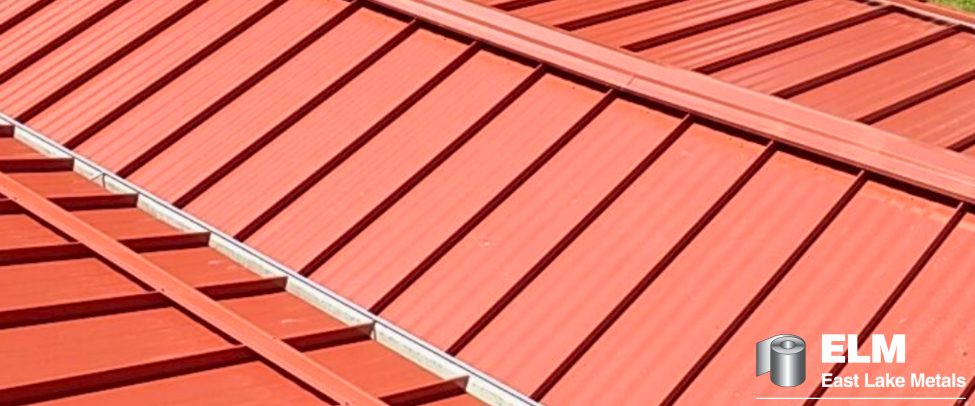
Prepainted metal panels rely on multi-layer coating systems engineered for adhesion, corrosion resistance, and surface durability. Each layer plays a specific role in supporting long-term performance and protecting the substrate.
The topcoat is the most visible component and plays the greatest role in prepainted metal color retention. Resin chemistry, pigment quality, and coating thickness determine how well panels resist ultraviolet radiation, moisture intrusion, and chemical exposure. Fluoropolymer coatings such as PVDF are widely specified in commercial and industrial applications because of their superior resistance to fading and chalking. Silicone-modified polyester coatings also provide strong performance, though they may experience more noticeable color shift in extreme UV environments.
Modern prepainted metal systems consist of:
- A metallic substrate engineered for strength and performance
- A corrosion-resistant primer layer
- A high-performance topcoat designed for durability and color stability
When these components work together, they create a barrier that protects both appearance and structural integrity.
The Role of UV Radiation in Color Degradation
Ultraviolet radiation is the primary driver of coating breakdown. Over time, UV exposure disrupts chemical bonds within coating resins. As these bonds weaken, gloss diminishes and pigments begin to fade. The process is gradual but cumulative, meaning even durable systems must be engineered to withstand decades of exposure.
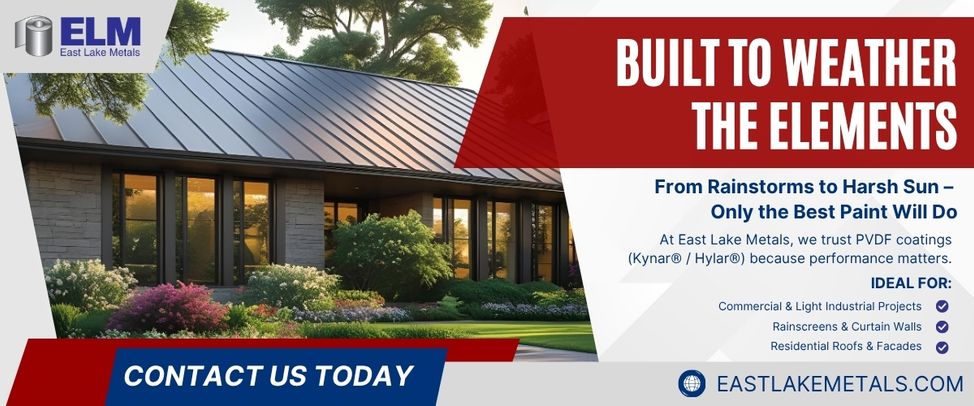
High-performance fluoropolymer coatings are specifically designed to resist UV degradation. Their chemical stability allows them to maintain gloss and hue even under prolonged sunlight. This stability significantly improves prepainted metal color retention, especially in regions with intense solar exposure or high reflectivity from surrounding surfaces.
Geographic location plays a major role in coating performance. Southern climates, high-altitude areas, and open industrial zones experience higher UV intensity. In these environments, specifying a coating engineered for long-term UV resistance becomes essential rather than optional.
Environmental Stressors That Influence Coating Durability
While UV exposure is a primary concern, it is not the only factor that impacts coating performance. Environmental conditions such as moisture, airborne pollutants, and temperature fluctuations also affect durability.
Coastal environments expose metal panels to salt-laden air, which can accelerate corrosion if coatings are compromised. Industrial facilities may release airborne chemicals that interact with coating surfaces. Temperature cycling causes expansion and contraction, placing additional stress on the coating film.
Key environmental factors that impact long-term durability include:
- Prolonged UV exposure
- Salt spray and coastal air
- Industrial pollutants and chemical emissions
- Acid rain and atmospheric contaminants
- Repeated temperature expansion and contraction cycles
Pigment Stability and Its Impact on Long-Term Appearance
Pigment chemistry plays a significant role in maintaining consistent color over time. Not all pigments perform equally under UV exposure. Inorganic pigments generally offer greater fade resistance than some organic alternatives, particularly in high-sunlight environments.
The relationship between pigment stability and prepainted metal color retention is direct. High-quality pigments maintain their chemical structure when exposed to sunlight, reducing the rate of color shift. Additionally, lighter or reflective pigments can reduce surface temperature, minimizing thermal stress on the coating system.
Choosing a coating with proven pigment performance ensures that large commercial and industrial surfaces remain visually consistent across years of environmental exposure.
Balancing Performance and Lifecycle Cost
Initial material cost is only one component of total project expense. Long-term performance, maintenance requirements, and replacement cycles often have a greater financial impact over time.
High-performance coatings that improve prepainted metal color retention may involve higher upfront investment. However, they reduce the need for repainting, refinishing, or early panel replacement. For large industrial facilities or commercial campuses, this reduction in maintenance frequency can translate into significant cost savings.
Lifecycle cost considerations include:
- Expected service life of the coating system
- Warranty coverage for fade and chalk resistance
- Maintenance intervals
- Potential downtime for repainting or repairs
Gloss Retention and Surface Integrity
Color stability is only one aspect of coating durability. Gloss retention also contributes to long-term appearance. As coatings degrade, gloss reduction often appears before noticeable color fade. Maintaining gloss helps preserve a clean, professional look across building exteriors.
Chalking occurs when resin breakdown releases pigment particles at the surface, creating a powdery residue. This condition reduces surface smoothness and alters visual uniformity. Coatings engineered for extended durability resist chalking and maintain surface cohesion for longer periods.
Maintaining both gloss and color stability strengthens overall prepainted metal color retention and supports consistent building aesthetics.
Specification Strategies for Long-Term Success
Achieving consistent coating performance begins in the design and specification phase. Builders and architects should assess environmental exposure, building orientation, and expected service life before selecting a coating system.
Specifiers should evaluate:
- Resin chemistry and UV resistance
- Fade and chalk performance ratings
- Environmental classification of the project site
- Panel profile and substrate compatibility
- Manufacturer warranty provisions
Careful evaluation at this stage reduces risk and ensures that the coating system aligns with project goals.
Maintenance Practices That Protect Color Retention
Even the most durable coating systems benefit from routine maintenance. Surface contaminants such as dirt, pollutants, and salt deposits can accelerate degradation if left untreated.
Regular inspections allow property managers to identify minor issues before they escalate. Gentle cleaning helps maintain gloss and remove corrosive buildup. Addressing scratches or surface damage promptly prevents localized corrosion and preserves coating integrity.
A proactive maintenance strategy strengthens long-term prepainted metal color retention and supports consistent performance across commercial and industrial properties.
Long-Term Performance and Building Value
Prepainted metal systems offer a unique combination of structural strength and aesthetic longevity. When coating durability is properly managed, these systems provide decades of reliable service. Strong prepainted metal color retention enhances building appearance, protects branding consistency, and minimizes operational disruptions caused by exterior repairs.
For commercial and industrial facilities, preserving coating performance is an investment in long-term asset value. It reduces uncertainty in maintenance planning and ensures that exterior surfaces continue to reflect the quality and professionalism of the organization within.
By prioritizing coating chemistry, pigment stability, environmental compatibility, and routine maintenance, builders and property owners can confidently manage color retention and extend the lifespan of prepainted metal systems.
Partnering With East Lake Metals for Long-Term Coating Performance
Managing coating durability and ensuring strong prepainted metal color retention requires more than simply selecting a panel color. It requires an understanding of resin chemistry, pigment performance, environmental exposure, and long-term lifecycle expectations. The right supplier plays a critical role in helping builders and specifiers make informed decisions that support decades of performance.
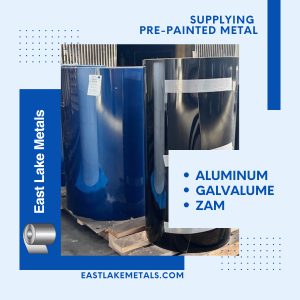
East Lake Metals works closely with contractors, architects, and project managers to identify prepainted metal solutions engineered for commercial and industrial demands. We provide guidance on coating systems, substrate compatibility, and environmental considerations to ensure that each project is equipped with materials designed for durability and long-term aesthetic stability.
Whether a building faces intense UV exposure, coastal conditions, or industrial pollutants, selecting the appropriate coating system helps preserve structural integrity and maintain consistent exterior appearance. By prioritizing high-performance coatings and proven color stability, project teams can reduce maintenance frequency, protect brand consistency, and extend service life.
Working with East Lake Metals means gaining access to knowledgeable support and high-quality prepainted metal products designed to perform. With careful specification and expert guidance, commercial and industrial buildings can achieve reliable prepainted metal color retention while maintaining long-term value and performance.


