
Why Armored Coast™ with ZAM® is the New Standard for Coastal Construction
Coastal construction presents a unique set of challenges that demand more than standard building materials. From constant exposure to salt-laden air to high humidity, strong winds, and rapidly changing weather conditions, structures near the shoreline face ongoing stress that can accelerate deterioration. For builders, contractors, and property owners, selecting materials that can withstand these conditions is not just important, it is essential to long-term performance and cost control. As expectations for durability and longevity continue to rise, so do coastal construction material standards.
Traditional metals and coatings often struggle to perform in these environments over time. Corrosion can begin earlier than expected, coatings may degrade under intense UV exposure, and maintenance costs can quickly add up if materials are not properly selected. These challenges have led to a shift in how coastal projects are approached. Today, builders are prioritizing advanced material technologies that align with evolving coastal construction material standards, offering enhanced protection, reduced maintenance, and long-term reliability.
This shift is also being driven by increased investment in coastal properties. As more residential, commercial, and mixed-use developments move closer to the shoreline, the stakes become higher. Property owners expect materials that will not only perform but also protect their investment over decades, not just years. This has pushed the industry to rethink traditional approaches and adopt solutions that are specifically engineered to meet modern coastal construction material standards.
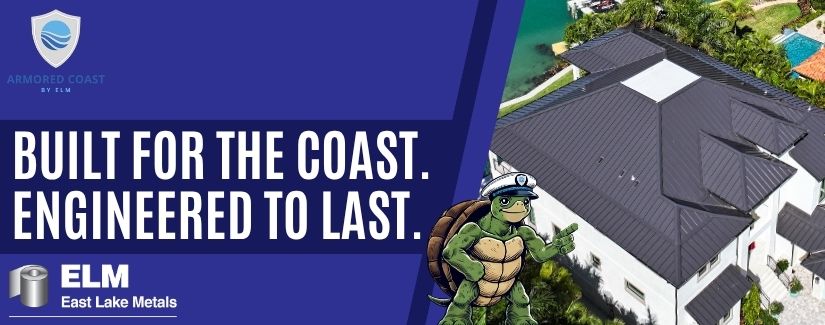
Armored Coast™ has emerged as a leading solution for coastal construction by incorporating advanced ZAM®-coated steel. This combination is designed to address the environmental stressors that coastal structures face, providing superior corrosion resistance, structural integrity, and long-lasting visual appeal. By understanding how these materials perform and how they support higher coastal construction material standards, builders and property owners can make more informed decisions that protect their investments and ensure project success for decades.
Understanding the Demands of Coastal Environments
Coastal environments are among the most aggressive conditions for construction materials. Salt in the air is one of the primary contributors to corrosion, as it accelerates the breakdown of protective coatings and exposes the underlying metal to moisture and oxygen. Over time, this process leads to rust, weakening structural components and compromising the safety and performance of the building. Even materials that perform well in inland environments can struggle when exposed to coastal conditions for extended periods.
Primary corrosion drivers in coastal environments include:
- Salt-laden air that accelerates oxidation and coating breakdown
- Constant exposure to moisture and humidity
- Prolonged contact with oxygen that speeds up rust formation
In addition to salt exposure, coastal properties are also subject to high humidity levels, which create a constant presence of moisture on metal surfaces. This moisture can infiltrate seams, fasteners, and connections, increasing the likelihood of corrosion in vulnerable areas. Wind-driven rain further intensifies this issue, pushing water into areas that may not typically be exposed in less demanding environments. These conditions reinforce the need for materials that meet strict coastal construction material standards.
Moisture-related challenges include:
- Water intrusion at seams, fasteners, and panel connections
- Persistent surface moisture from high humidity levels
- Increased risk of hidden corrosion in enclosed or shaded areas
Ultraviolet radiation is another factor that contributes to material degradation in coastal regions. Prolonged sun exposure can weaken coatings, leading to fading, chalking, and eventual failure. This not only affects the appearance of the structure but also reduces the effectiveness of the protective layer. When coatings begin to break down, the underlying metal becomes more susceptible to corrosion.
UV exposure impacts include:
- Fading of color and loss of visual consistency
- Chalking that creates a powdery, worn surface
- Breakdown of protective coatings over time
Wind and storm activity also play a significant role in coastal construction challenges. High winds can carry abrasive particles that impact metal surfaces, while severe weather events can place additional stress on roofing and structural systems. Materials must be strong enough to withstand these forces without compromising their integrity. In many coastal regions, building codes continue to evolve, further shaping coastal construction material standards.
Environmental stress factors include:
- Wind-driven debris causing surface abrasion
- Heavy storms increasing structural stress
- Rapid weather changes that impact material expansion and contraction
Another often overlooked challenge is the combination of these environmental factors occurring simultaneously. Salt, moisture, UV exposure, and wind do not act independently. Instead, they compound each other’s effects, accelerating wear and reducing the lifespan of materials that are not engineered for this level of exposure. This is why standard solutions often fall short.
ZAM: Advancing Corrosion Resistance in Coastal Applications
ZAM is a next-generation metallic coating that has redefined expectations for corrosion resistance in steel products. Composed of a blend of zinc, aluminum, and magnesium, ZAM provides enhanced protection compared to traditional coatings. This advanced composition creates a stable and durable barrier that significantly slows the corrosion process, even in highly aggressive environments such as coastal regions.
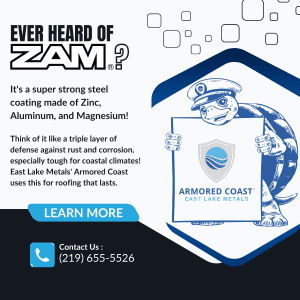
One of the key advantages of ZAM is its ability to protect cut edges and exposed areas of steel. Traditional coatings often leave these areas vulnerable, allowing corrosion to begin at points where the protective layer is compromised. ZAM helps form a protective film that limits the spread of rust, even when the surface is scratched or cut. This characteristic is especially valuable in construction applications where materials are frequently modified during installation.
In coastal environments, where salt exposure is constant, ZAM supports long-term durability by resisting the corrosive effects of salt and moisture. This helps extend the lifespan of materials while reducing the need for ongoing maintenance. As a result, ZAM plays an important role in helping systems meet higher coastal construction material standards.
ZAM also performs well in areas that are traditionally difficult to protect, such as fasteners, seams, and overlaps. These areas are often the first to show signs of corrosion, but the added protection provided by ZAM helps maintain the integrity of the entire system over time. This reliability is one reason it is used in advanced solutions like Armored Coast.
Armored Coast: Engineered for Coastal Performance
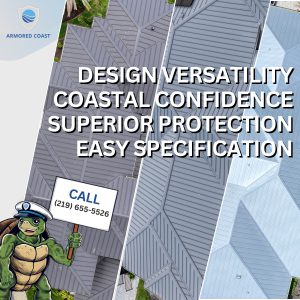
Armored Coast is designed specifically for coastal construction and built to perform in environments where traditional materials often fail. By incorporating ZAM-coated steel, this system provides enhanced protection against the combined effects of salt air, moisture, and UV exposure.
One of the defining strengths of Armored Coast is its ability to handle multiple environmental stressors at once. Coastal conditions rarely present a single challenge. Instead, materials must withstand a combination of corrosion, weather exposure, and structural stress. Armored Coast addresses these challenges with a system designed for long-term performance and durability.
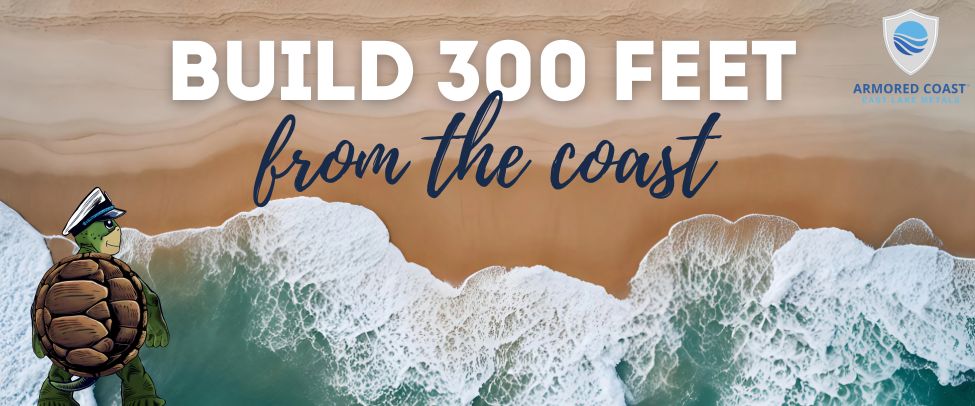
Armored Coast is also engineered with coastal setback considerations in mind, with protection designed to begin at 300 feet from the shoreline. This targeted approach ensures that materials perform where exposure is most severe, supporting compliance with modern coastal construction material standards.
In addition to protection, Armored Coast is built to maintain its finish over time. Many traditional systems require repainting or refinishing as coatings degrade, but this system helps preserve both performance and appearance. This is especially important for commercial and residential properties where long-term value is closely tied to visual consistency.
Armored Coast also supports uniform performance across large-scale developments. When multiple structures are part of the same project, consistency in both durability and appearance becomes essential. This system helps ensure that all components perform reliably, contributing to a cohesive and professional final result.
How Armored Coast with ZAM Supports Modern Coastal Construction Material Standards
As coastal construction continues to evolve, expectations for materials have become more demanding. Builders and property owners are looking for solutions that offer long-term durability, reduced maintenance, and reliable performance. Armored Coast with ZAM meets these expectations by combining advanced coating technology with a system designed for coastal conditions.
By incorporating ZAM-coated steel, Armored Coast provides enhanced resistance to corrosion, environmental stress, and surface degradation. This integrated approach supports higher coastal construction material standards by addressing multiple performance challenges at once.
Another key benefit is reduced maintenance. Traditional materials often require regular repairs or refinishing to maintain performance. Over time, these maintenance requirements can increase costs and disrupt operations. Armored Coast helps minimize these needs, allowing property owners to focus on long-term value.
This system also offers greater predictability. Builders and project managers can rely on consistent material performance, which supports better planning and more accurate budgeting. As expectations continue to rise, materials that align with coastal construction material standards are becoming essential for project success.
Partnering with East Lake Metals for Coastal Success
Selecting the right materials is only part of the equation. Working with a trusted supplier ensures that those materials are delivered and supported effectively. East Lake Metals provides access to high-quality materials featuring ZAM and solutions like Armored Coast, along with the expertise needed for coastal applications.
Our team understands the challenges of coastal construction and works closely with clients to recommend the best solutions for their specific needs. From material selection to project support, we help ensure that every project aligns with current coastal construction material standards and delivers long-term results.
We also recognize that every project is different. Whether you are working on a residential property, a commercial development, or an industrial facility, our team can help tailor solutions to your goals and environmental conditions. Contact us today to discuss your project needs.
Building for the Future of Coastal Construction
Coastal construction requires materials that can withstand some of the most demanding environmental conditions. As coastal construction material standards continue to evolve, the need for advanced solutions becomes even more important.
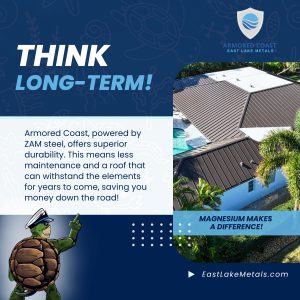
Armored Coast with ZAM represents a forward-thinking approach to coastal construction. By combining durability, corrosion resistance, and long-term performance, this system helps builders and property owners protect their investments and deliver projects that stand the test of time.
Choosing the right materials is not just about meeting today’s requirements. It is about preparing for the future of coastal construction with solutions that provide lasting value and reliable performance.


