The Weight Factor: When to Choose Aluminum for Structural Weight Savings in Commercial Builds
In commercial construction, every material decision impacts the overall performance, cost, and efficiency of a project. While strength and durability are often the primary focus, weight is an equally important factor that can influence everything from structural design to installation timelines. Heavier materials can place additional stress on a building’s framework, increase transportation costs, and complicate installation. Lighter materials, when used strategically, can offer significant advantages without sacrificing performance.
Aluminum has become an increasingly popular choice in commercial construction because of its ability to provide strength while significantly reducing weight. As builders and project managers look for ways to improve efficiency and reduce costs, aluminum continues to stand out as a practical and high-performing solution. Understanding the advantages of building with aluminum allows project teams to make informed decisions that improve both short-term project execution and long-term building performance.
Weight considerations are particularly important in large-scale commercial builds, where structural loads, foundation requirements, and material handling all play a role in project success. By incorporating aluminum into key components such as roofing systems, wall panels, and architectural features, builders can reduce overall structural demand while maintaining durability and design flexibility. This blog explores when and why aluminum is the right choice for commercial projects and how it contributes to smarter, more efficient construction.
Understanding Structural Load and Material Impact
Structural load is one of the most critical considerations in any commercial construction project. Every material used in a building contributes to the total load that must be supported by the foundation and structural framework. Heavier materials require more robust support systems, which can increase costs and limit design flexibility. Reducing weight, even in specific areas of a building, can have a significant impact on overall structural efficiency.
Aluminum offers a unique advantage in this area because it provides an excellent strength-to-weight ratio. While it is much lighter than steel, it still delivers the durability needed for many commercial applications. This allows engineers and builders to reduce the overall load on the structure without compromising performance. In projects where weight is a limiting factor, such as multi-story buildings or structures with complex designs, aluminum can provide a solution that supports both structural integrity and design goals.
The impact of weight extends beyond the structure itself. Transportation and handling are also affected by the materials chosen for a project. Heavier materials require more resources to move, both in terms of equipment and labor. Aluminum’s lighter weight makes it easier to transport and handle on-site, which can improve efficiency and reduce costs. This is particularly beneficial for projects with tight timelines or limited access, where ease of installation is a key consideration.
Another important factor is how weight influences retrofits and renovations. In many cases, existing structures have limitations on how much additional load they can support. Aluminum provides a way to upgrade or enhance a building without exceeding those limits. Whether it is adding a new roofing system or updating exterior panels, aluminum allows for improvements without requiring extensive structural modifications. This makes it a valuable option for both new construction and renovation projects.
Key Advantages of Building with Aluminum
The advantages of building with aluminum extend beyond weight reduction. Its versatility, durability, and resistance to environmental factors make it a reliable choice for a wide range of commercial applications. One of the most significant benefits is its natural resistance to corrosion. Unlike some other metals, aluminum forms a protective oxide layer when exposed to air, which helps prevent rust and deterioration. This makes it particularly suitable for environments where moisture, humidity, or exposure to the elements is a concern.
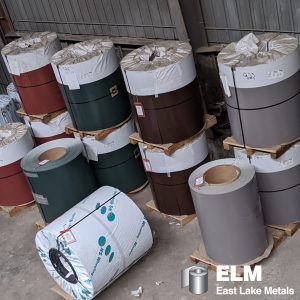
Key benefits of aluminum in commercial construction include:
- Natural corrosion resistance that protects against rust and environmental wear
- Lightweight composition that reduces structural load and simplifies installation
- Design flexibility that supports complex architectural shapes and profiles
Aluminum is also highly adaptable in terms of design. It can be formed into a variety of shapes and profiles, allowing architects and designers to achieve complex or custom looks without compromising structural performance. This flexibility makes aluminum an ideal material for modern commercial buildings, where both function and appearance are important. From sleek facades to intricate architectural details, aluminum supports a wide range of design possibilities.
Durability is another key factor that contributes to the advantages of building with aluminum. Despite its lighter weight, aluminum is capable of withstanding environmental stressors such as wind, temperature fluctuations, and UV exposure. When combined with high-performance coatings like PVDF, aluminum can maintain its appearance and structural integrity for decades with minimal maintenance. This long-term performance reduces lifecycle costs and supports the overall value of the building.
Additional performance advantages include:
- Long-term durability in harsh weather conditions
- Compatibility with advanced coatings like PVDF for extended lifespan
- Reduced maintenance requirements over time
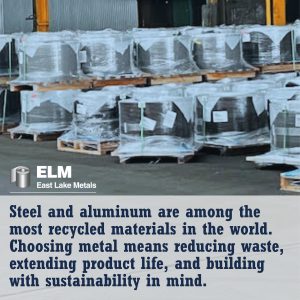
Sustainability is also an important consideration in today’s construction industry. Aluminum is one of the most recyclable materials available, and it can be reused without losing its properties. This makes it an environmentally responsible choice for builders who are focused on reducing waste and supporting sustainable practices. The ability to recycle aluminum contributes to lower environmental impact and aligns with green building initiatives and certifications.
In addition to these benefits, aluminum contributes to improved installation efficiency. Its lightweight nature allows for faster handling and placement, reducing labor time and simplifying the construction process. This can lead to shorter project timelines and lower labor costs, which are critical factors in commercial construction.
Efficiency-related benefits include:
- Faster installation timelines due to reduced material weight
- Lower labor costs from easier handling and placement
- Improved jobsite productivity and workflow
The combination of performance, efficiency, and sustainability makes aluminum a compelling choice for a wide range of applications.
When Aluminum Is the Right Choice for Commercial Projects
While aluminum offers many advantages, it is most effective when used in the right applications. Understanding when to choose aluminum over other materials is essential for maximizing its benefits. In projects where weight reduction is a priority, aluminum is often the preferred option. This includes buildings with large spans, multi-story structures, and projects where minimizing structural load is critical.
Aluminum is also an excellent choice for roofing systems. Its lightweight nature reduces the stress placed on the building’s framework, making it easier to install and maintain. In addition, aluminum roofing systems can be designed to provide long-term durability and resistance to environmental factors. This makes them suitable for a variety of climates, including areas with high humidity, heavy rainfall, or significant temperature fluctuations.
Another area where aluminum excels is in architectural facades and exterior panels. Its ability to be shaped and finished in different ways allows for creative design solutions while maintaining structural performance. For commercial buildings that prioritize visual appeal, aluminum provides a balance between aesthetics and functionality. When paired with high-quality coatings, it can retain its appearance for years, reducing the need for maintenance or replacement.
Aluminum is also a strong candidate for retrofit projects. When updating an existing building, reducing additional weight is often a key consideration. Aluminum allows for upgrades without overloading the existing structure, making it easier to improve performance and appearance without extensive modifications. This flexibility is particularly valuable in older buildings or projects with strict structural limitations.
In environments where corrosion resistance is important, aluminum provides a reliable solution. Coastal areas, for example, expose materials to salt air and moisture, which can accelerate deterioration. Aluminum’s natural resistance to corrosion, combined with protective coatings, makes it well-suited for these conditions. This ensures that the material maintains its performance and appearance over time, even in challenging environments.
Partnering with East Lake Metals for Aluminum Solutions
Choosing the right material is only part of the process. Working with a knowledgeable and reliable supplier ensures that the materials are properly specified, delivered, and supported throughout the project. East Lake Metals provides high-quality aluminum products designed to meet the demands of modern commercial construction.
Our team works closely with builders, contractors, and project managers to identify the best solutions for each project. We provide guidance on selecting the appropriate aluminum products, finishes, and coatings to meet both structural and aesthetic requirements. This ensures that every project benefits from materials that are tailored to its specific needs.
East Lake Metals also prioritizes reliability and efficiency. We understand that timely delivery and consistent quality are critical to keeping projects on schedule. Our team is committed to providing dependable service and support, helping clients avoid delays and maintain momentum throughout the construction process.
In addition to supplying materials, we offer ongoing support to ensure long-term performance. Our expertise allows us to provide recommendations on maintenance, installation, and best practices, helping clients maximize the value of their investment. By partnering with East Lake Metals, project teams gain access to the resources and knowledge needed to successfully implement aluminum solutions in commercial builds.
If you are considering aluminum for your next project, now is the time to explore its benefits. Contact East Lake Metals today to learn more about our aluminum products and how we can help you achieve weight savings, improve efficiency, and deliver long-lasting results.
Building Smarter with Aluminum
Weight is a critical factor in commercial construction, influencing structural design, cost, and overall efficiency. Aluminum provides a solution that addresses these challenges by offering strength, durability, and significant weight savings. By understanding the advantages of building with aluminum, project teams can make strategic decisions that improve both project execution and long-term performance.
From reducing structural load to enhancing design flexibility and supporting sustainability, aluminum delivers a range of benefits that make it an ideal choice for many commercial applications. Partnering with East Lake Metals ensures that these benefits are fully realized, providing access to high-quality materials, expert guidance, and reliable support.
Choosing aluminum is more than a material decision. It is a commitment to efficiency, innovation, and long-term value in commercial construction.