
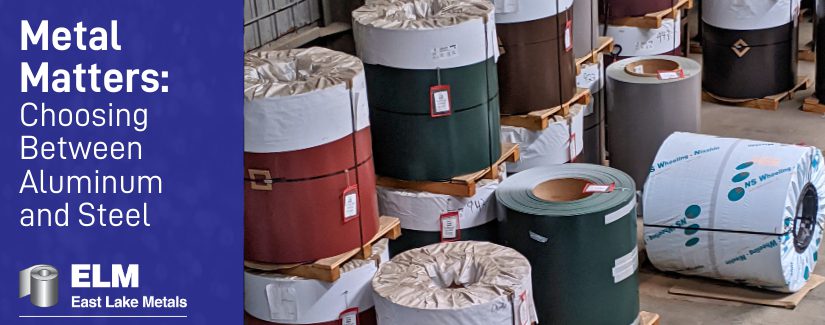
Metal Construction Materials: Aluminum or Steel—What Builders Should Know
Choosing the right metal for a construction project and other applications like transportation and general building applications is a critical decision that impacts durability, performance, cost, and long-term value. Builders, contractors, and property owners often compare aluminum and steel when selecting materials for roofing, siding, and structural components. Each option offers distinct advantages, and understanding the differences is essential for making informed decisions. When evaluating aluminum vs steel for building products and other applications like transportation, factors such as strength, corrosion resistance, weight, climate, and maintenance requirements all play a role.
Both aluminum and steel have earned their place in modern construction. However, they perform differently depending on the environment and application. Knowing where each material excels helps builders avoid costly mistakes and ensures the finished structure meets performance expectations for years to come.
Understanding Aluminum Building Products and Transportation
Aluminum is valued for its lightweight nature and natural resistance to corrosion. Because it forms a protective oxide layer when exposed to air, aluminum does not rust in the traditional sense. This makes it a popular choice for projects in humid, coastal, or high-moisture environments where corrosion is a major concern.
Another benefit of aluminum is its flexibility in design. It is easy to fabricate, shape, and cut, which allows for greater architectural freedom. Aluminum panels and components are commonly used in roofing systems, wall panels, trim, and specialty applications where weight reduction is important.
Key advantages of aluminum include:
- Natural corrosion resistance without additional coatings
- Lightweight material that reduces structural load
- Ease of fabrication and installation
- Strong performance in coastal and high-humidity environments
Despite these benefits, aluminum is not without limitations. It is generally softer than steel, which means it can dent more easily under impact. In applications where structural strength and rigidity are required, aluminum may need additional reinforcement.

Understanding Steel in Building Products and Transportation
Steel is widely used across residential, commercial, and industrial construction due to its strength and versatility. It offers exceptional load-bearing capacity, making it ideal for roofing panels, framing, and structural systems. When comparing aluminum vs steel for construction projects, steel is often selected for applications where durability and rigidity are priorities.
Modern steel products are engineered with advanced coatings that enhance corrosion resistance and extend service life. Options such as ZAM® 90 coatings and high-performance paint systems help protect steel in demanding environments.
Key advantages of steel include:
- High strength and structural integrity
- Excellent resistance to impact and heavy loads
- Wide range of gauges, profiles, and finishes
- Proven long-term performance in building products
- Applicability to traditional aluminum products to combat the high costs of aluminum
Steel does require protective coatings to prevent corrosion, especially in environments exposed to moisture, salt, or pollutants. However, when properly coated and maintained, steel delivers decades of reliable performance.

Strength and Structural Performance
Strength is one of the most significant differences when comparing aluminum and steel. Steel is substantially stronger than aluminum, which allows it to span longer distances and support heavier loads. This makes steel a preferred choice for commercial buildings, warehouses, and large-scale roofing systems.
Aluminum, while strong for its weight, does not match steel’s load-bearing capabilities. It is best suited for applications where weight savings are critical or where structural demands are lower.
From a builder’s perspective, understanding these performance differences is essential. Choosing a material that aligns with structural requirements helps prevent issues such as deflection, premature wear, or failure.
Weight and Installation Considerations
Weight plays a major role in material selection. Aluminum is significantly lighter than steel, which can simplify handling and installation. Lighter materials reduce strain on the building structure and may lower labor costs during installation.
Steel is heavier, but its strength often offsets the added weight, so a thinner amount of steel will replicate the strength of a thicker aluminum product. In many cases, steel panels require fewer supports, which can balance out installation considerations. Builders evaluating aluminum vs steel for construction projects should consider both material weight and overall system design.
Corrosion Resistance and Environmental Exposure
Environmental conditions are a major factor when choosing between aluminum and steel. Aluminum performs exceptionally well in coastal and high-humidity environments because it does not rust. This makes it a strong option for buildings near shorelines or in regions with frequent rainfall.
Steel relies on protective coatings to resist corrosion. Advanced solutions such as ZAM® 90 offer enhanced protection by combining zinc, aluminum, and magnesium to slow corrosion and extend material life. When paired with high-quality paint systems, steel can perform reliably even in aggressive environments.
Selecting the right coating system is just as important as choosing the base metal. Builders who understand coating performance can confidently use steel in conditions that once limited its application.
Maintenance and Longevity
Long-term maintenance is another key consideration. Aluminum typically requires minimal maintenance because of its natural corrosion resistance. Routine inspections and cleaning are usually sufficient to maintain appearance and performance.
Steel may require more attention, especially if coatings are damaged or exposed. However, modern steel products with durable coatings significantly reduce maintenance needs. PVDF coatings, for example, offer superior resistance to UV exposure, fading, and chalking, helping steel maintain its appearance for decades.
When evaluating aluminum vs steel for construction projects, it is important to consider not just initial installation but also long-term upkeep and lifecycle costs.
Cost Considerations
Cost often influences material selection. Aluminum typically has a higher upfront cost than steel. However, its corrosion resistance and low maintenance requirements can offset initial expenses over time, especially in harsh environments.
Steel is generally more cost-effective upfront and offers excellent value for large-scale projects. With the right coatings and finishes, steel provides long-term durability at a competitive price point.
Builders should evaluate total cost of ownership rather than focusing solely on material price. This includes installation, maintenance, and expected lifespan.
Aesthetic Options and Design Flexibility
Both aluminum and steel offer a wide range of aesthetic possibilities. Aluminum is often chosen for modern architectural designs that require clean lines and lightweight panels. Steel provides flexibility in profiles, textures, and finishes, making it suitable for both traditional and contemporary projects.
High-performance coatings expand design options even further. PVDF paint systems deliver long-lasting color retention and visual consistency, while engineered coatings protect the underlying metal from environmental damage.

Sustainability and Environmental Impact
Sustainability is becoming increasingly important in construction and building products. Both aluminum and steel are recyclable materials, which supports environmentally responsible building practices. Aluminum requires less energy to recycle than to produce new material, while steel is one of the most recycled construction materials worldwide.
Durability also contributes to sustainability. Materials that last longer reduce waste and minimize the need for replacement. Choosing the right metal and coating system helps extend service life and reduce environmental impact.
Making the Right Choice for Your Project
There is no universal answer when comparing aluminum vs steel for construction projects. The right choice depends on project goals, environmental exposure, structural requirements, and budget considerations.
Aluminum is well suited for:
- Coastal or high-humidity environments
- Projects where weight reduction is important
- Applications requiring natural corrosion resistance
Steel is ideal for:
- Structural and load-bearing applications
- Large commercial and industrial projects
- Projects requiring a wide range of gauges and finishes
- Coastal or High humidity environments where cost is a consideration and the right coatings like ZAM 90 are applied.
Understanding these differences allows builders to make confident, informed decisions that support long-term performance.
Partnering With the Right Metal Supplier
Material selection is only part of the equation. Working with a knowledgeable metal supplier ensures access to the right products, coatings, and technical guidance. A reliable supplier helps builders navigate material options, environmental considerations, and performance requirements.
East Lake Metals supports builders and contractors by offering high-quality metal products and expert insight into material performance. With a deep understanding of coatings, gauges, and environmental demands, our team helps ensure every project is equipped with materials built to last.
Making the Right Material Choice With the Right Partner
Choosing between aluminum and steel is a strategic decision that influences every phase of a construction project, from design and installation to long-term performance and maintenance. By understanding the strengths, limitations, and ideal applications of each material, builders can make informed choices that support durability, efficiency, and overall project success. When aluminum vs steel for construction projects is evaluated with the right information, the result is a smarter build, fewer complications, and materials that perform as intended for decades.
However, selecting the right metal is only part of the process. Working with an experienced and knowledgeable supplier is just as important. East Lake Metals helps fabricators, builders, contractors, and property owners navigate material selection with confidence by offering a wide range of steel and aluminum options, reliable availability, and expert guidance. Our team understands how factors like climate, corrosion exposure, gauge selection, and coating systems affect performance, and we work closely with our customers to ensure the right materials are chosen for each application.
Whether you are planning a commercial roofing project, architectural installation, or large-scale construction build, East Lake Metals provides the support needed to keep projects moving efficiently. From consistent product quality to responsive service, we help reduce delays, minimize risk, and ensure materials meet both performance and design expectations. Our goal is to be more than a supplier. We aim to be a trusted partner throughout the construction process.
If you are evaluating aluminum vs steel for construction projects and want expert insight, dependable materials, and long-term value, East Lake Metals is ready to help. Contact our team today to discuss your project needs and learn how we can support your next build with metal solutions designed for strength, durability, and lasting performance.


