
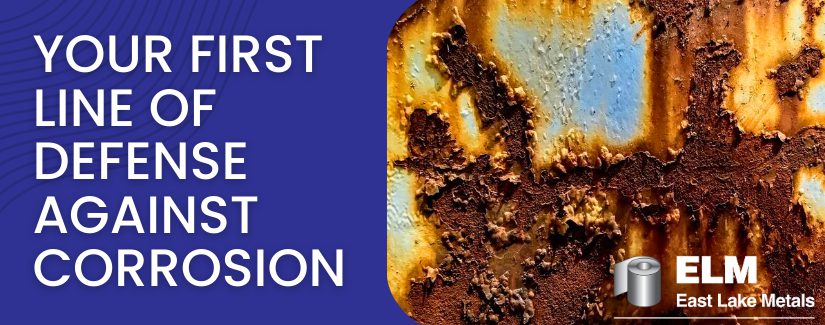
How to Protect Metal from Corrosion
Protecting metal from corrosion is one of the most critical considerations for property owners, builders, and engineers. If this natural deterioration is left unchecked, it can lead to expensive repairs, a reduced lifespan for the building, and even hazardous conditions. Understanding and implementing effective strategies for protecting metal is therefore not just a maintenance decision; it is a long-term investment that ensures buildings remain resilient, efficient, and visually appealing for decades.
East Lake Metals understands the importance of safeguarding metals in all environments, from coastal properties exposed to salty air to industrial facilities subject to chemical exposure. By choosing the right materials, coatings, and maintenance practices, property owners can maximize the life and performance of their metal structures while reducing future costs. The benefits of protecting metal from corrosion extend far beyond immediate savings; they include enhanced safety, reduced environmental impact, and long-term financial returns. Protecting metals is particularly important in climates with harsh weather cycles, from freeze-thaw winters to humid, salty summers, because the combination of moisture, temperature changes, and UV exposure accelerates wear and degradation.
Understanding Corrosion and Its Impacts
Corrosion occurs when metals react with environmental elements such as oxygen, moisture, salts, and chemicals, leading to oxidation or other forms of degradation. While the process varies depending on the metal and environment, the outcomes are consistent: weakened structures, compromised safety, and diminished aesthetic value. Some common forms of corrosion include:
- Oxidation: The most familiar form, often seen as rust on steel or iron surfaces.
- Galvanic Corrosion: Occurs when two dissimilar metals come into contact in the presence of moisture, causing accelerated degradation of the weaker metal.
- Pitting: Small, localized areas of corrosion that can penetrate deep into the metal surface.
- Crevice Corrosion: Occurs in gaps or shaded areas where water can accumulate.
- Stress Corrosion Cracking: Metal under tensile stress can develop cracks when exposed to corrosive environments, especially in high-stress industrial applications.

Common Corrosion Challenges by Environment
Different environments present unique challenges that can accelerate corrosion. Understanding these conditions is essential for implementing the right protection strategies:
- Coastal Areas: Properties near the shoreline face salty air that accelerates rust and surface degradation. Wind and storm exposure further stress the structure, and UV radiation can weaken coatings over time. Armored Coast™ is engineered to perform reliably in coastal conditions, with protection starting 300 feet from the shoreline.
- Industrial Zones: Factories and warehouses are exposed to chemical pollutants, acid rain, and airborne particulate matter that can erode metal surfaces. Specialized coatings and careful material selection are necessary to protect against these aggressive elements.
- Urban Areas: City environments introduce pollutants such as smog, vehicle emissions, and fluctuating temperatures. These conditions can lead to accelerated oxidation, discoloration, and surface damage on metals that are not properly treated.
- Rural Areas: Moisture from frequent rainfall, humidity, and even agricultural chemicals can impact the longevity of metals. Proper drainage, coatings, and regular maintenance help mitigate these effects.
- Extreme Climate Zones: High-altitude, desert, or tropical regions each have unique challenges, including intense UV exposure, large temperature swings, or highly corrosive humidity levels. Metals in these areas require coatings specifically engineered to withstand the extreme conditions.
Strategies for Protecting Metal from Corrosion
Successfully protecting metal from corrosion involves a combination of material selection, advanced coatings, thoughtful design, and ongoing maintenance.
Material Selection
Choosing the right base material is the first step. Metals like aluminum, stainless steel, and coated steels offer inherent corrosion resistance. Each has advantages depending on environmental exposure, structural requirements, and aesthetic goals. Selecting the right metal reduces the risk of corrosion from the start and provides a strong foundation for additional protective measures. In some cases, combining metals strategically, or using metals with engineered coatings, can offer superior performance in demanding conditions.

Protective Coatings
Advanced coatings significantly enhance the durability and lifespan of metal roofing and architectural elements. East Lake Metals offers solutions such as ZAM® 90 and PVDF paint, which provide exceptional corrosion resistance and long-term performance. PVDF (Polyvinylidene Fluoride) coatings are highly resistant to UV degradation, chemical exposure, and weathering. These coatings maintain vibrant color and surface integrity for decades while reducing chalking and peeling. ZAM 90 adds an additional layer of protection with its zinc, aluminum, and magnesium coating, helping metals withstand harsh environments. Coatings with reflective properties can also reduce heat absorption, improving energy efficiency. Other coating technologies, such as polyester, polyurethane, or epoxy-based finishes, can offer unique benefits depending on the metal and environment.
Key benefits of protective coatings include:
- Increased longevity and resistance to cracking, chipping, and peeling
- Reduced maintenance requirements due to enhanced surface durability
- Protection against pollutants, chemicals, and environmental stressors
- Maintained aesthetic appearance over time with superior color retention
- Potential energy efficiency improvements through reflective finishes
Design and Installation Considerations
How a metal component is designed and installed greatly affects its resistance to corrosion. Avoiding water traps, using compatible metals, and ensuring proper panel overlaps and sealants are all essential to long-term performance. Proper installation also ensures that protective coatings remain intact and that structural connections are secure against environmental pressures. Considerations include:
- Choosing profiles and panel configurations that promote water drainage
- Sealing seams and fasteners to prevent moisture penetration
- Installing adequate flashings and trim to protect edges from weather
- Using sacrificial coatings or primers in areas with high exposure risk
Maintenance Practices
Routine inspections, cleaning, and touch-ups are critical for maximizing the lifespan of metal structures. Regular maintenance helps identify early signs of corrosion, damaged coatings, or water infiltration before they become significant issues. Best practices include:
- Cleaning debris and contaminants from metal surfaces
- Inspecting for scratches, dents, or coating damage
- Reapplying protective coatings as needed
- Monitoring fasteners, joints, and sealants to prevent water ingress
- Documenting maintenance schedules to ensure consistent care
Benefits of Protecting Metal from Corrosion
Investing in corrosion protection delivers tangible advantages for both property owners and builders. Metals that are properly protected maintain their structural integrity for decades, reducing the need for costly replacements. Fewer repairs mean lower maintenance costs and less downtime for industrial or commercial operations. Corrosion-resistant metals also improve safety by reducing the risk of structural failures and accidents.
Maintaining metal surfaces free from rust preserves their aesthetic appeal, which contributes to property value and enhances marketability. Additionally, protecting metals aligns with sustainable building practices. Longer-lasting metals reduce the consumption of raw resources, minimize waste, and support energy-efficient construction methods. Property owners can enjoy both financial and environmental returns when they prioritize corrosion protection.
Long-Term Return on Investment and Sustainability
The financial impact of protecting metal from corrosion extends well beyond initial installation costs. A durable, well-protected metal roof or structural element minimizes replacement frequency, reduces maintenance budgets, and extends the overall service life of the building. Additionally, using coatings and materials that reduce energy absorption and improve thermal efficiency contributes to lower operational costs.
From a sustainability perspective, protecting metal structures helps conserve natural resources, reduces landfill waste from prematurely discarded materials, and supports environmentally responsible building practices. Choosing recyclable or coated metals also allows property owners to meet green building standards and certifications, further enhancing the building’s value and reputation.
Ensuring Long-Lasting Performance
Protecting metal from corrosion is a critical strategy for any property owner, builder, or designer seeking durability, safety, and long-term value. By combining the right materials, coatings, installation practices, and maintenance strategies, metals can perform for decades with minimal degradation.
East Lake Metals provides expert guidance to help clients select the best products for their specific environmental and project needs. With extensive knowledge of advanced coatings, material performance, and protection strategies, our team ensures that buildings remain safe, functional, and visually appealing for years to come. By understanding the environmental risks, selecting high-performance coatings, and maintaining regular inspection practices, property owners can maximize both the lifespan and value of their structures. Contact us today to learn how you can protect your investment, extend the lifespan of your structures, and take full advantage of the benefits of protecting metal from corrosion.


