

How Builders Benefit from Aluminum and Steel in Modern Building Projects
Modern construction demands materials that deliver strength, efficiency, and long-term performance. Builders are tasked with balancing durability, cost, sustainability, and design flexibility across a wide range of project types. From large-scale industrial facilities to commercial buildings and specialized structures, material selection plays a critical role in determining how well a project performs over time.
Among the most widely used materials in today’s construction landscape are aluminum and steel. Known for their versatility and reliability, these metals continue to shape the way builders approach design and construction. Understanding the benefits of aluminum and steel allows builders to make informed decisions that support structural integrity, operational efficiency, and long-term value.
Why Material Selection Matters in Modern Construction
Every building project is influenced by environmental exposure, structural demands, and long-term performance expectations. Materials must withstand weather conditions, resist wear, and maintain their integrity under constant use. At the same time, builders must consider cost efficiency, installation timelines, and maintenance requirements.
Choosing the right materials from the start helps prevent issues such as premature deterioration, structural weaknesses, and excessive maintenance costs. Aluminum and steel stand out because they meet these demands across multiple applications. Their consistent performance, adaptability, and compatibility with modern construction methods make them essential materials for builders working in a variety of industries.
Key Advantages of Aluminum and Steel
Aluminum and steel each offer distinct advantages, but together they provide a comprehensive solution for many building needs. Their properties support both structural performance and long-term durability in demanding environments.
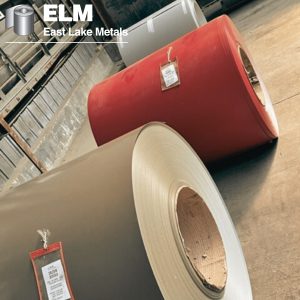
- High strength and load-bearing capability, especially with steel, which supports structural frameworks and large-span designs
- Lightweight performance from aluminum, reducing structural load and simplifying handling and installation
- Resistance to environmental stress, including moisture, temperature fluctuations, and UV exposure when paired with proper coatings
- Long service life, reducing the need for frequent replacement or major repairs
- Compatibility with modern coatings that enhance durability, color retention, and energy efficiency
These combined advantages make aluminum and steel reliable choices for builders seeking materials that can perform consistently under a wide range of conditions.
Aluminum in Modern Building Projects
Aluminum is widely recognized for its lightweight properties and corrosion performance. In applications where reducing weight is critical, aluminum provides a strong yet manageable solution. This is especially valuable in projects that require ease of transportation, simplified installation, or reduced structural load.
One of aluminum’s key benefits is its ability to perform in environments with high moisture or exposure to corrosive elements. This makes it a strong choice for projects in coastal regions, humid climates, and industrial settings where environmental conditions can impact material longevity.
Aluminum also offers flexibility in design. It can be formed into a variety of shapes and profiles, making it suitable for architectural features, roofing systems, and wall panels. Builders benefit from the ability to achieve both functional and aesthetic goals without sacrificing performance.
Additionally, aluminum reflects heat effectively, which can contribute to improved energy efficiency in buildings. When paired with reflective coatings, it helps reduce heat absorption and supports more stable interior temperatures.
Steel in Modern Building Projects

Steel remains one of the most widely used materials in construction due to its unmatched strength and durability. It is capable of supporting heavy loads and maintaining structural integrity over long periods, making it ideal for large-scale commercial and industrial projects.
Builders rely on steel for frameworks, roofing systems, and structural components that require stability and resilience. Its ability to withstand stress, impact, and environmental exposure makes it a dependable choice for demanding applications.
Steel also offers cost efficiency, particularly in projects where strength is a primary requirement. Its widespread availability and adaptability contribute to its continued use across multiple industries.
With the addition of protective coatings, steel can perform effectively in environments where moisture and other elements might otherwise lead to deterioration. These coatings enhance durability, improve appearance, and extend the lifespan of the material.
Performance Across Multiple Industries
One of the most important reasons builders choose aluminum and steel is their ability to perform across a wide range of industries. These materials are not limited to a single type of project. Instead, they provide solutions for diverse applications where strength, durability, and adaptability are essential.
Industrial Applications
Industrial facilities often operate in demanding environments where materials are exposed to heavy use, temperature fluctuations, and chemical exposure. Aluminum and steel provide the strength and resilience needed to support manufacturing operations, warehouses, and processing plants. Their durability helps reduce maintenance needs and ensures consistent performance under pressure.
Commercial Applications
In commercial construction, appearance and performance must work together. Aluminum and steel allow builders to create visually appealing structures while maintaining long-term durability. Office buildings, retail centers, and mixed-use developments benefit from materials that support both design flexibility and structural integrity.
Agricultural Applications
Agricultural structures require materials that can withstand exposure to moisture, debris, and varying weather conditions. Aluminum and steel are commonly used in barns, storage facilities, and equipment shelters because they offer reliable performance in environments where durability is essential. Their resistance to wear helps ensure that structures remain functional over time.
Transportation Applications
Transportation-related structures, including terminals, storage facilities, and support buildings, demand materials that can handle constant use and environmental exposure. Aluminum’s lightweight properties and steel’s strength make them ideal for these applications. Together, they support efficient construction and long-term performance in high-traffic environments.
Durability and Long-Term Performance
Durability is one of the most significant advantages of aluminum and steel. Builders must consider how materials will perform over time, especially in environments where exposure to weather and operational stress is constant.
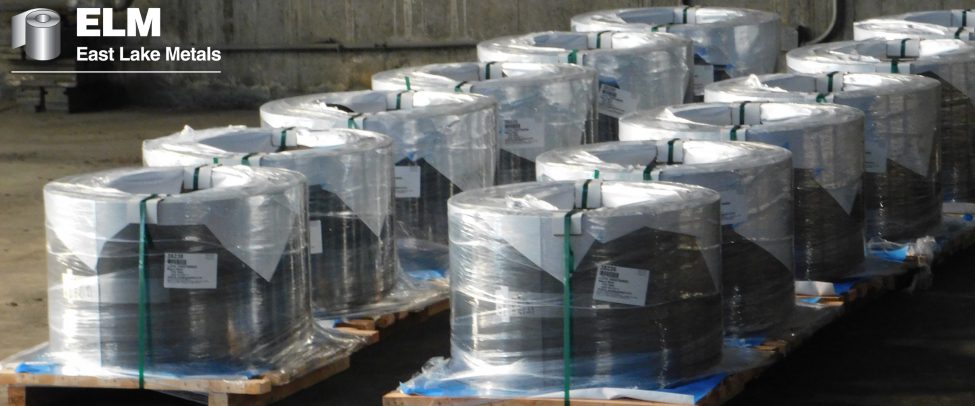
Both metals offer strong resistance to wear when properly specified and maintained. Aluminum naturally resists corrosion, while steel can be enhanced with coatings that protect against environmental damage. This combination of natural and engineered durability helps extend the lifespan of building systems.
Long-term performance also reduces maintenance requirements. Buildings constructed with aluminum and steel often experience fewer issues related to material degradation, which translates into lower repair costs and less disruption over time.
The Role of Coatings in Enhancing Performance
While aluminum and steel provide strong foundational performance, coatings play a critical role in maximizing their benefits. Coatings protect the surface from UV radiation, moisture, and chemical exposure, all of which can impact durability and appearance.
High-performance coatings help maintain color, reduce fading, and protect against surface breakdown. This is especially important in commercial and industrial applications where maintaining a consistent appearance is a priority.
In addition to protection, coatings can contribute to energy efficiency. Reflective coatings reduce heat absorption, helping to lower cooling costs and improve overall building performance. By combining aluminum and steel with advanced coating systems, builders can achieve enhanced durability and long-term value.
Sustainability and Environmental Benefits
Sustainability is an increasingly important consideration in modern construction. Builders are looking for materials that not only perform well but also support environmentally responsible practices. Aluminum and steel both contribute to these goals.
These metals are highly recyclable, allowing them to be reused without losing their core properties. This reduces waste and supports more sustainable construction practices. In addition, their long lifespan means fewer replacements, which further reduces environmental impact over time.
Energy efficiency is another important factor. Buildings constructed with aluminum and steel, particularly when paired with reflective coatings, can reduce energy consumption by maintaining more stable interior temperatures. This contributes to lower operational costs and improved environmental performance.
Installation Efficiency and Project Timelines
Construction timelines are a major concern for builders, especially in large-scale projects. Materials that are easy to handle, install, and integrate into building systems help improve efficiency and reduce labor requirements.
Aluminum’s lightweight nature simplifies transportation and installation, allowing crews to work more efficiently. Steel’s strength and structural reliability reduce the need for additional reinforcement, streamlining the construction process.
Both materials are compatible with prefabrication and modern construction techniques, which further improves efficiency. By reducing installation time and complexity, aluminum and steel help builders complete projects more quickly while maintaining high standards of quality.
Cost Considerations and Long-Term Value
Initial material costs are only one part of the overall investment in a building project. Builders must also consider maintenance, repairs, and replacement over time. Aluminum and steel offer strong long-term value by reducing these ongoing costs.
Their durability minimizes the need for frequent repairs, while their compatibility with protective coatings extends their service life. This results in more predictable lifecycle costs and fewer unexpected expenses.
In addition, their performance across multiple applications reduces the need for specialized materials, simplifying procurement and project planning. This versatility contributes to overall cost efficiency without compromising quality.
Choosing the Right Material for Each Project
While both aluminum and steel offer significant advantages, selecting the right material depends on the specific requirements of each project. Factors such as environmental exposure, structural demands, and design goals all play a role in determining the best solution.
Builders must evaluate how each material will perform under real-world conditions. Aluminum may be the preferred choice in environments where weight and corrosion resistance are key considerations. Steel may be better suited for applications requiring maximum strength and structural support.
In many cases, a combination of both materials provides the most effective solution. By leveraging the strengths of aluminum and steel, builders can create systems that meet both performance and design objectives.
Partnering for Long-Term Success
Aluminum and steel continue to define modern construction because of their strength, versatility, and long-term performance. From industrial and commercial buildings to agricultural and transportation applications, these materials provide builders with reliable solutions that meet the demands of today’s projects. Understanding the benefits of aluminum and steel allows builders to make informed decisions that improve durability, efficiency, and overall project value.
East Lake Metals supports builders, contractors, and fabricators by providing high-quality aluminum and steel solutions designed for modern construction. With a focus on performance, reliability, and long-term results, we help ensure that every project is equipped with materials that meet the highest standards. By working with a knowledgeable supplier, builders can move forward with confidence, knowing their materials are built to perform for years to come. Contact our team today to discuss the benefits of aluminum and steel.


