The True Cost of Steel Inventory: Why Just-In-Time Supply Chains Win
In the steel and construction supply industry, inventory management is no longer just an operational detail. It has become a major factor influencing profitability, project timelines, and overall business efficiency. For fabricators, contractors, and manufacturers, holding large amounts of steel inventory may seem like a safe approach, but it often introduces hidden costs that can impact both short-term cash flow and long-term competitiveness.
East Lake Metals sees this challenge regularly across commercial projects and fabrication operations. The traditional mindset of “buy more and store more” is being replaced with a more strategic approach known as just-in-time supply chain management. This shift is not just about reducing storage space. It is about improving efficiency, reducing waste, and ensuring materials are available exactly when they are needed.
Understanding the true cost of steel inventory is essential for any business working with metal materials. From storage expenses and material degradation to fluctuating market prices and inefficiencies in production flow, inventory carries more risk than many realize. This is why more builders are choosing to partner with a modern metal roofing supplier that supports flexible ordering and responsive supply systems rather than bulk purchasing models.
Understanding the Real Cost of Steel Inventory
On the surface, maintaining a large steel inventory may appear to provide stability. It ensures materials are readily available and protects against supply delays. However, the reality is that excess inventory introduces several hidden costs that can significantly impact operations over time.
One of the most immediate costs is storage. Steel is heavy, bulky, and requires significant space to store safely and effectively. Warehousing expenses can add up quickly, especially for businesses that need climate-controlled environments or specialized handling equipment. As inventory grows, so do insurance costs, security requirements, and logistical complexity.
Another major factor is material degradation. While steel is highly durable, it is still susceptible to corrosion if not stored properly. Moisture, humidity, and temperature fluctuations can all affect material quality over time. Even with protective coatings, long-term storage can reduce performance and lead to waste if materials are not used within optimal timeframes.
Cash flow is also heavily impacted by excess inventory. Money tied up in stored steel cannot be used for other operational needs such as labor, equipment upgrades, or new project investments. This limits financial flexibility and can slow business growth. Many companies do not fully account for this opportunity cost when evaluating their purchasing strategy.
Market volatility adds another layer of risk. Steel prices can fluctuate due to global demand, tariffs, and supply chain disruptions. Businesses that over-purchase inventory may find themselves locked into higher-cost materials that decrease in value if market prices drop. This creates financial inefficiencies that are difficult to recover from.
For these reasons, many companies are rethinking how they work with their metal roofing supplier, shifting away from bulk purchasing and toward more responsive, demand-driven supply models.
Why Just-In-Time Supply Chains Improve Efficiency
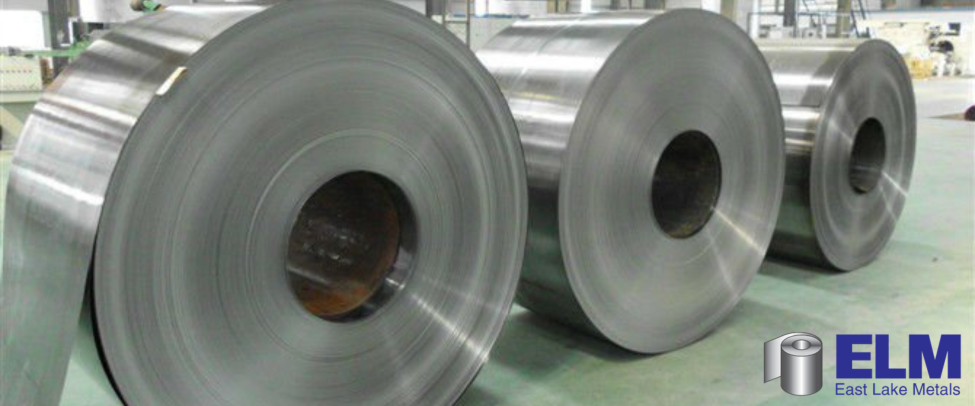
Just-in-time (JIT) supply chain strategies focus on receiving materials exactly when they are needed rather than storing large quantities in advance. This approach has become increasingly popular in modern fabrication and construction environments due to its ability to reduce waste and improve operational flow.
One of the biggest advantages of JIT systems is improved cash flow. Instead of investing heavily in inventory upfront, businesses can allocate resources more strategically. This allows for better financial flexibility and reduces the burden of carrying unnecessary stock.
JIT systems also help reduce storage-related risks. With less material sitting in warehouses, there is a lower chance of corrosion, damage, or mismanagement. Materials move directly from supplier to job site or fabrication facility, ensuring they remain in optimal condition.
Another important benefit is increased responsiveness. Construction schedules often change due to weather delays, design adjustments, or client requests. A flexible supply chain allows businesses to adapt quickly without being constrained by pre-purchased inventory. This improves overall project efficiency and reduces downtime.
East Lake Metals has built our supply approach around this principle. As a modern metal roofing supplier, our goal is to provide reliable, on-demand access to materials so that our clients can operate with greater flexibility and fewer constraints.
Just-in-time systems also improve accuracy in material usage. When materials are ordered based on real project needs rather than projections, waste is significantly reduced. This leads to more efficient fabrication processes and better cost control across the board.
The Role of a Modern Metal Supply Partner
The success of a just-in-time strategy depends heavily on the reliability of the supplier. A strong supply partner must be able to deliver materials quickly, consistently, and in the exact specifications required for each project. This is where the role of a trusted metal supplier becomes critical.
East Lake Metals understands that timing is everything in fabrication and construction. Delays in material delivery can disrupt entire project schedules, leading to increased labor costs and missed deadlines. That is why we prioritize communication, inventory accuracy, and dependable logistics to support our customers’ workflows.
A modern supply partner also needs to understand the technical demands of different projects. Not all steel products are the same, and different applications require different coatings, gauges, and performance characteristics. By working closely with clients, we ensure that materials are not only delivered on time but also aligned with the specific requirements of each job.
Another key aspect of supplier reliability is adaptability. Project demands can shift quickly, and a strong supply partner must be able to respond to changes without compromising quality or timelines. This flexibility is a core part of how we operate at East Lake Metals.
Businesses that work with a responsive metal roofing supplier gain a competitive advantage by reducing delays, improving material flow, and minimizing inventory-related risks. This allows them to focus more on production and less on material management.
How Inventory Strategy Impacts Long-Term Business Performance
Inventory strategy is not just an operational decision. It directly influences long-term business performance and competitiveness. Companies that rely heavily on stored steel often face higher overhead costs, reduced flexibility, and increased risk exposure. In contrast, businesses that adopt just-in-time strategies tend to operate more efficiently and adapt more easily to changing market conditions.
One of the most important long-term benefits of reducing inventory is improved scalability. Businesses are able to take on more projects without needing to expand storage facilities or increase capital tied up in materials. This allows for more sustainable growth over time.
Another benefit is improved quality control. When materials are sourced as needed, they are more likely to be fresh, properly handled, and aligned with current project specifications. This reduces the risk of working with outdated or compromised materials.
Working with a dependable metal roofing supplier also enhances consistency across projects. Reliable supply chains ensure that materials arrive in predictable timelines, making it easier to plan labor, equipment, and production schedules. This consistency improves overall operational efficiency and client satisfaction.
Over time, businesses that optimize their inventory strategy gain a significant competitive edge. They are able to reduce waste, improve margins, and respond more effectively to market demands.
Partnering with East Lake Metals for Smarter Supply Solutions
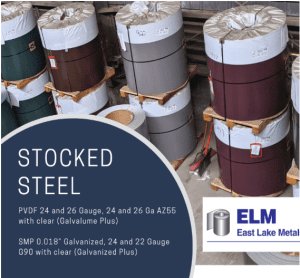
East Lake Metals is committed to helping our customers move beyond outdated inventory models and toward more efficient, responsive supply systems. As a trusted metal supplier, we provide the materials, expertise, and logistical support needed to keep projects moving without unnecessary delays or excess inventory burdens.
Our approach is built around flexibility, reliability, and long-term partnership. We work closely with fabricators, contractors, and builders to ensure that materials are available when needed and delivered with consistency. This allows our clients to reduce storage costs, improve cash flow, and streamline their operations.
We also provide guidance on material selection, helping clients choose the right steel products for each application. Whether it is coated steel for roofing systems, structural components, or custom fabrication needs, our team ensures that every order is aligned with performance requirements and project goals.
By partnering with East Lake Metals, businesses gain more than just a supplier. They gain a supply chain partner focused on efficiency and long-term success.
If you are looking to reduce inventory costs and improve operational efficiency, working with a responsive metal roofing supplier like East Lake Metals can make a measurable difference in your business performance. Reach out to our team today to discuss your project needs.
Smarter Supply Chains Drive Better Results
The true cost of steel inventory goes far beyond storage space. It affects cash flow, efficiency, material quality, and long-term business performance. As the industry continues to evolve, more companies are recognizing the benefits of shifting toward just-in-time supply chain models.
By reducing reliance on large inventories and working with a reliable supply partner, businesses can operate more efficiently and remain competitive in a changing market. East Lake Metals is proud to support this shift by providing dependable service, high-quality materials, and flexible supply solutions.
Choosing the right metal supplier is not just about sourcing materials. It is about building a supply chain that supports long-term success.